

 See My Latest Article on HelloNation
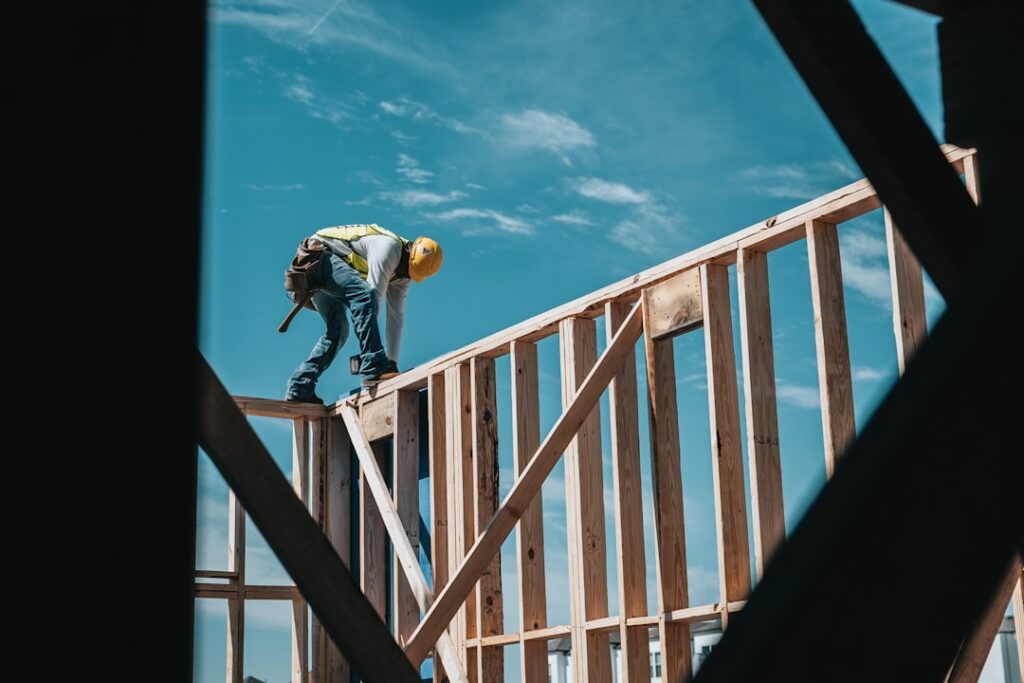
Why Do You Need Permits for Home Projects?
Permits are required for many construction, renovation, and repair projects in Grapevine, TX to ensure all work complies with safety, zoning, and building standards. This protects residents, preserves property values, and supports orderly neighborhood development. Skipping the permitting process can lead to fines, delays, or even legal requirements to undo finished work.
Which Projects Require a Permit?
Most projects that alter the structure of a home or involve systems like electrical, plumbing, or HVAC will need city approval. Common examples include:
- Building additions or structural changes (rooms, garages, porches)
- Major remodels involving moving walls or changing layouts
- New roofs or significant roof repairs
- Electrical system upgrades or rewiring
- Plumbing replacements or water heater installations
- Adding or modifying heating, ventilation, or air conditioning
- Constructing accessory buildings (sheds, detached garages over a certain size)
- Installing in-ground pools or certain spas
Exterior work often attracts attention from building officials, but even interior changes can require approval if they impact safety or essential systems.
What About Smaller or Cosmetic Projects?
Not every task in or around a home needs city approval. For many simple updates, permits are not required, but it’s easy to assume incorrectly.
Projects that usually do NOT require permits:
- Painting, wallpapering, or installing trim
- Replacing cabinets without moving utilities
- Installing most types of flooring
- Hanging shelves or replacing light fixtures if wiring is not modified
However, some projects that seem minor—like replacing windows or doors with different sizes, or adding a new outlet—may actually need review. Local officials recommend double-checking before starting anything unclear.
Do I Need a Permit for Fences and Decks?
In the area, fences and decks come with specific rules. Most new fences, fence replacements, or changes to height are reviewed for property line and material regulations. Decks may need approval if they are above a certain height, attached to the house, or intend to support heavy features like hot tubs.
Any structure impacting visibility on street corners or shared property lines is especially likely to require advance approval.
Are There Special Rules for Historic Homes or Districts?
Grapevine is known for its historic neighborhoods and distinctive architecture. Renovations or additions to homes in designated historic districts—or those listed as local landmarks—are subject to stricter review. Changes may need both a building permit and approval from historic preservation boards to maintain the area’s character.
Features like window replacements, siding changes, or visible rooflines on older homes can require extra documentation. Even color changes may be considered in some landmarked areas.
What About Permits for Outdoor Projects?

Projects like patios, driveways, retaining walls, or irrigation systems often need a city review, mainly to coordinate with drainage and utility lines. Installing a storage shed? The size, placement, and foundation type can determine whether you need approval or just have to respect certain setback rules.
Tree removal sometimes falls under local ordinances as well, especially for large or protected trees.
How Is the Inspection Process Tied to Permits?
After permits are issued, city inspectors check that work follows approved plans and codes. Inspections happen at different stages, depending on the project—such as after initial framing, rough electrical/plumbing, and at completion.
Skipping inspections or working without permits can mean costly corrections, trouble selling the home, or issues with insurance claims later.
Who Is Responsible for Getting Permits?
Property owners are ultimately responsible for ensuring the correct approvals are in place. If a contractor is hired, the contractor usually handles the paperwork, but residents should always confirm everything is covered. For DIY work, homeowners must apply directly and meet all rules themselves.
A mistaken belief is that “small” projects, or those out of sight from the street, don’t need permits. However, unpermitted work is often flagged during future sales or by local inspectors, leading to delays and added costs.
Where Can Residents Get Permitting Information?
All permit applications, forms, and detailed guidelines are available online through the city’s building and inspection department or in person at city offices. Staff can clarify whether a particular project needs review and what paperwork is required. Information is also provided about fees, required documents, and typical timelines, which vary by project type and complexity.
What Are Common Mistakes or Misconceptions?
- Failing to permit “routine” upgrades like water heaters, large decks, or some fences
- Confusing HOA approval with city permits; most areas require both but for different reasons
- Believing permits are optional for small-scale work inside the home—many projects still need inspection
- Thinking permits slow down projects; in reality, clear approvals help avoid costly rework or penalties
Why Does Compliance Matter in the Long Run?
Following the permit process helps local homeowners ensure safety, legal compliance, and trouble-free future property sales. It also protects neighbors and the broader community by maintaining neighborhood standards, utility safety, and public resources.