

 See My Latest Article on HelloNation

Home renovation pricing can seem confusing because contractors are not charging only for visible materials and labor. A renovation price usually combines the project scope, labor time, materials, subcontractors, permits, design decisions, site conditions, overhead, and a reasonable margin for risk.
Understanding those components makes it easier for homeowners to compare proposals and recognize why two projects that appear similar may have very different prices.
What does a contractor’s renovation price include?
A renovation proposal generally combines direct project costs with business and risk-related costs. The total may include:
- Demolition and removal of existing materials
- Labor for carpentry, electrical, plumbing, heating and cooling, or other trades
- Materials, fixtures, finishes, and delivery
- Design, drafting, engineering, or structural review
- Permit fees and required inspections
- Temporary protection for floors, walls, furniture, and occupied areas
- Waste disposal and site cleanup
- Project supervision and scheduling
- General business overhead
- Contingency for uncertainty
- Contractor profit
The price is not necessarily a simple markup on materials. A contractor may spend significant time coordinating several trades, ordering products, protecting the home, resolving field conditions, and arranging inspections. Those responsibilities are part of the project cost even when they are not visible after the renovation is complete.
How is labor priced?
Labor may be priced by the hour, by a trade-specific unit, or as part of a fixed project amount. Larger renovations are often priced as a combined scope rather than as a list of hourly charges.
Labor pricing is affected by:
- The number of workers required
- The skill level and licensing requirements of the work
- Whether several trades must work in a particular sequence
- Access to the work area
- The amount of demolition and preparation
- Whether the home remains occupied
- The complexity of protecting finished surfaces
- The likelihood of concealed problems
For example, replacing cabinets in a cleared room may be relatively straightforward. Reworking a kitchen in an older home can require careful demolition, temporary utilities, floor repairs, plumbing changes, electrical updates, and several inspection stages. The finished cabinets may look similar, but the labor demands are not.
Why do materials and selections affect the price so much?
Materials influence more than the purchase price. They can also change installation time, delivery requirements, preparation work, and the number of specialized trades involved.
A flooring choice, for example, may affect:
- Whether the existing floor must be removed
- How level and dry the subfloor must be
- Whether transitions are needed at adjacent rooms
- How long the installation takes
- Whether furniture must be moved or stored
- How much waste the material creates
Fixtures and finishes can create similar differences. A standard-size item that is readily available may be easier to install than a custom or delayed item. Large-format tile, specialty plaster, custom millwork, unusual lighting, and made-to-order windows may require additional labor or scheduling coordination.
Changing selections after work begins can also increase the price. A revision may involve restocking fees, new delivery charges, redesign, additional labor, or work that must be removed and redone.
What is the difference between a fixed price, allowance, and cost-plus arrangement?
A fixed-price proposal gives a defined price for a clearly described scope. It provides useful budget certainty, but it is only as reliable as the plans, specifications, and assumptions behind it.
An allowance is a placeholder amount for an item that has not yet been selected. Common examples include tile, plumbing fixtures, lighting, appliances, or cabinetry. If the final selection costs more than the allowance, the contract price may increase. If it costs less, the price may decrease depending on the agreement.
A cost-plus arrangement charges the actual project costs plus a fee or percentage for management and profit. This structure can be flexible when the scope is uncertain, but the homeowner needs clear records and a defined method for approving expenses.
The key question is not simply which pricing method is cheapest. It is whether the method clearly explains what is included, what is excluded, and how changes will be handled.
How do permits and local requirements affect renovation pricing?
Permits can add both direct and indirect costs. Direct costs may include permit fees, plan review, engineering, and required inspections. Indirect costs may come from preparing drawings, revising plans, waiting for approvals, or scheduling work around inspection requirements.
In Grapevine, TX, residential additions and remodels may require permits, and the city identifies several categories of work that commonly require approval, including structural alterations, additions, roofing, window replacement, siding replacement, and certain electrical, plumbing, mechanical, and gas work. The exact requirements depend on the project scope.
Local conditions can also influence design and pricing. Homes in the area may require attention to expansive soils, foundation movement, drainage, severe weather exposure, high summer heat, and aging mechanical systems. A renovation that opens walls or changes structural loads may reveal conditions that were not visible during the initial planning stage.
Permit costs should not be treated as optional savings. Unpermitted work can create inspection, resale, insurance, or correction problems later.
Why do renovation prices change after work begins?
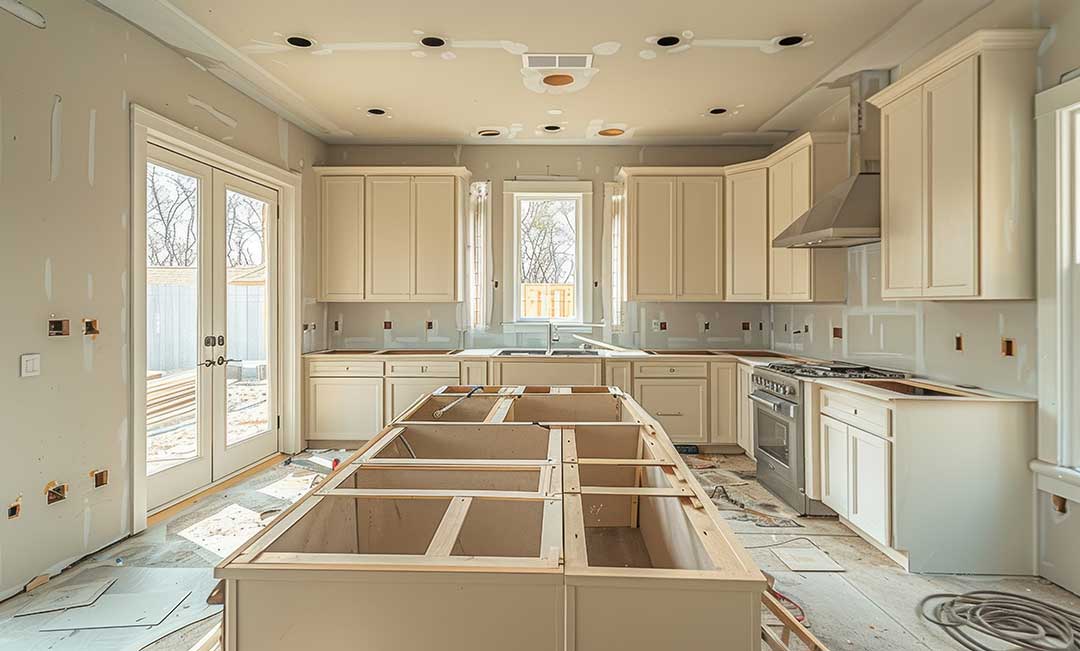
The most common reason is that the original price was based on visible conditions, while demolition reveals concealed ones. Examples include:
- Water damage behind walls
- Outdated wiring
- Undersized electrical service
- Damaged subflooring
- Improper framing
- Leaking plumbing
- Mold-like growth or poor ventilation
- Foundation or drainage concerns
- Materials that no longer meet current requirements
A change order is the written process for adjusting the scope and price. A useful change order should describe the new work, explain why it is needed, identify the price difference, and state whether the schedule changes.
Homeowners should be cautious about approving verbal changes without documentation. Even a small change can affect connected work, material orders, inspections, and completion dates.
How should homeowners compare renovation proposals?
The lowest total is not always the lowest actual cost. Proposals should be compared line by line, not only by the final number.
Look for clear information about:
- The exact work included
- Demolition and disposal
- Materials and product standards
- Allowances
- Permit responsibilities
- Engineering or design costs
- Cleanup and protection
- Payment timing
- Warranty terms
- Exclusions
- Change-order procedures
- Estimated schedule
A proposal that appears inexpensive may exclude painting, floor repairs, appliance connections, permit costs, finish carpentry, or cleanup. Another proposal may include those items from the beginning.
It is also reasonable to ask which assumptions could change the price. This question often reveals more than asking for a general promise that the price will not increase.
What can make a renovation budget more predictable?
The most effective cost-control step is defining the scope before construction starts. Complete plans, selected finishes, realistic allowances, and a written list of exclusions reduce uncertainty.
A practical budget should also reserve money for unexpected conditions. The appropriate amount depends on the age and condition of the home, the amount of demolition, and whether the project affects structural, plumbing, electrical, or exterior systems.
For an occupied home, budget planning should include temporary living arrangements, dust control, storage, security, and protection from heat or weather during work. In this climate, delays involving exterior openings, roofing, drainage, or air-conditioning systems may affect comfort as well as the schedule.
The clearest renovation price is not necessarily the shortest proposal or the smallest number. It is the one that explains the work in enough detail that the homeowner can understand what is being purchased, what remains uncertain, and how unexpected decisions will be handled.