

 See My Latest Article on HelloNation

What Are the First Steps Before Starting a Major Renovation?
Start by clarifying your renovation goals, establishing a realistic budget, and reviewing any local permitting requirements. In Grapevine, renovation projects frequently involve considerations tied to both the age of the home and potential historic preservation districts. Homeowners should identify which areas will be impacted and set priorities before any planning or demolition starts.
Check if your project requires city approval—almost all structural, electrical, or plumbing changes need permits. Reviewing these requirements early prevents costly delays or changes mid-project. For those living in established neighborhoods, be aware of HOA guidelines that may dictate design or material choices.
How Can Households Prepare Their Living Spaces?
Disruption is unavoidable with large renovations, but careful preparation can reduce daily stress and safety hazards.
Begin by removing personal belongings from the affected spaces. This not only protects valuables but also speeds up work and lessens dust damage. Move fragile items, electronics, and everyday essentials to a different part of the home or into secure storage.
For kitchen or bathroom renovations, set up a temporary space for everyday needs. Local households often use garage or laundry areas as makeshift kitchens, outfitted with a microwave, coffee maker, and mini fridge.
Cover floors and passageways with protective materials, especially if you have original hardwood or specialty tile. Sealing off work zones with plastic sheeting keeps construction dust from spreading—this is especially critical in older homes more prone to dust infiltration.
What Should Be Done to Protect Children, Pets, and Belongings?
Safety should always be a priority, especially in active homes with children or pets. Construction zones contain sharp tools, exposed wires, and open access to hazardous materials.
Plan routes through your home that avoid work areas entirely, and set up temporary gates or locked doors as barriers when possible. For pets, consider whether boarding or a day at a friend’s home is preferable during the noisiest phases, like demolition.
Store important documents, jewelry, and irreplaceable keepsakes away from the impact zone. If the renovation involves exterior work, check nearby landscaping and outdoor furniture—move these out of harm’s way to preserve plants and prevent accidental damage.
How to Handle Utilities and Home Systems During Construction?
Renovations often require temporarily shutting off water, electricity, or HVAC systems. Ask your contractor for a schedule of planned interruptions, so you can prepare for days without certain utilities.
As area homes regularly experience high humidity and heat, plan for alternative cooling and ventilation options if your HVAC will be offline. Portable air conditioners or fans can make summer renovations much more tolerable.
For projects impacting water lines, fill bathtubs or large containers ahead of time to ensure you have water for cleaning and flushing toilets if needed. Old houses in Grapevine may have irregular shut-off valve locations, so locate and test these in advance.
Are There Special Considerations for Older or Historic Homes?
Many Grapevine homes were built decades ago, sometimes within historic zones. Renovating older structures can reveal underlying issues such as outdated wiring, original lead pipes, or fragile plaster walls.
Before demolition, consider a pre-renovation inspection focused on hazardous materials—especially lead paint, asbestos, or mold in crawl spaces or attics. Engage a licensed specialist if there’s any uncertainty about these risks.
Maintaining architectural features adds value and preserves neighborhood character. Carefully mark unique trim work, stained glass, or antique fixtures for special handling or offsite storage until work concludes.
How Do Seasonal Conditions and Local Weather Affect Renovation Prep?
North Texas climate brings both intense summer heat and occasional winter ice storms, so time your project accordingly. Generally, spring and fall offer the mildest conditions and fewer weather delays.
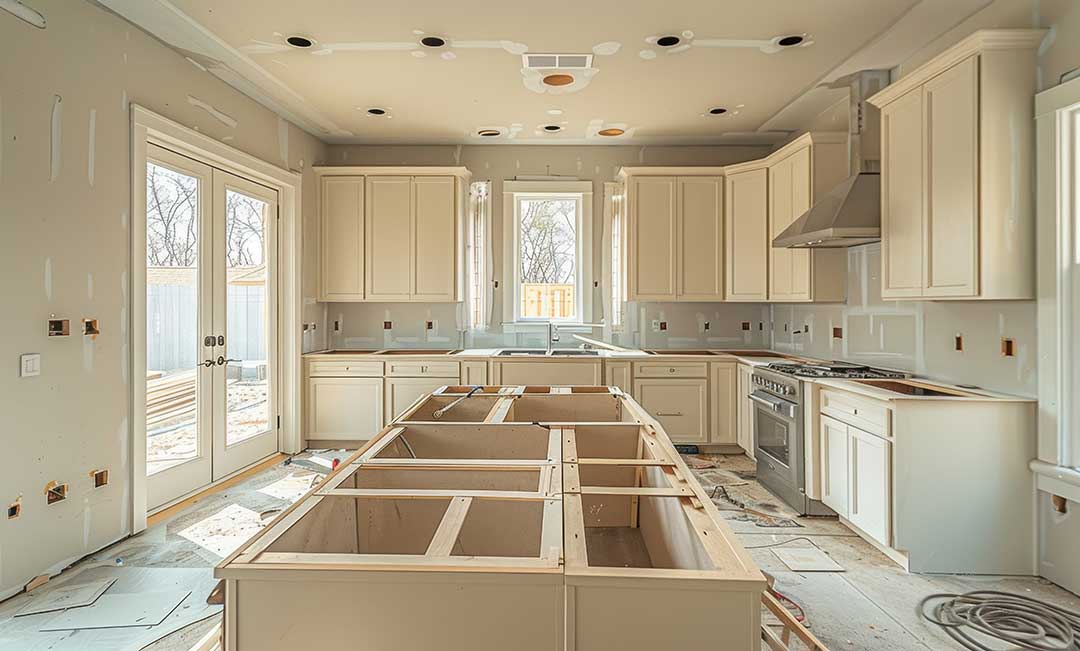
For summer projects, plan for dust control and additional cooling needs. Keep windows closed during the hottest parts of the day to reduce heat inside your home and prevent outdoor dust from entering. During winter work, insulate exposed pipes and entryways to reduce the risk of freezing.
If roof or exterior work is scheduled, monitor local forecasts and secure tarps or temporary coverings for sudden rainstorms. Proper planning helps protect interiors from water damage, especially in older homes prone to leaks.
What Paperwork and Documentation Should Homeowners Keep?
Renovations create a paper trail—permits, contracts, receipts, product warranties, and architectural plans should be gathered in one accessible file. This proves invaluable for insurance claims, future sales disclosures, and reference if any disputes arise.
Photograph the “before” state of rooms and comprehensive shots of walls or floors being opened up. These images document the property’s condition and, in some cases, can assist with future property tax assessments or utility upgrades.
What Are Commonly Overlooked Details?
A few practical details are often missed by area homeowners:
- Notify neighbors about the schedule and anticipated noise
- Reserve parking for contractors to keep the street accessible
- Label circuit breakers and shut-off valves for quick access during emergencies
- Discuss daily cleanup expectations with your contractor to manage dust, debris, and site safety
- Plan for package deliveries and mail if entries are blocked
By addressing these elements, households set themselves up for a smoother experience from demolition through the final walkthrough.