

 See My Latest Article on HelloNation
What Mistakes Do Homeowners Make When Planning a Remodel?
Many households move forward with remodeling before thoroughly planning their vision and budget. While it’s tempting to focus on style choices, unclear plans almost always lead to surprises, slowdowns, or dissatisfaction.
In Grapevine, local homes range from historic builds to modern structures, each with its quirks. Area homeowners often underestimate underlying issues such as older electrical panels, historical features, or code upgrades. Common oversights include:
- Rushing to start before outlining project goals and priorities
- Underestimating the full project cost, especially when older plumbing or electrical systems are involved
- Skipping a walk-through to identify potential complications, like hidden water damage or local foundation shifting
Taking time to clarify the desired outcome, needs versus wants, and a realistic fallback budget makes a major difference. For older homes, ask if the age of wiring or pipes may add extra steps.
How Can Local Regulations Impact Remodeling?
Every remodel in Grapevine is subject to local ordinances and permit requirements, which vary depending on the project’s scope. Ignoring or misunderstanding these regulations can halt progress or even require undoing completed work.
Before starting, check whether:
- Structural changes, such as removing walls or adding rooms, need permits
- Updates to electrical or plumbing must meet city-specific codes
- Historic home modifications face additional reviews or restrictions
Many residents overlook permit timelines and inspection stages. Unpermitted work can delay future home sales and may risk fines. Grapevine households benefit from researching city guidelines through public resources or municipal offices before making changes, especially for work affecting safety or structural integrity.
Are There Risks in DIY Versus Professional Work?
Taking on remodeling tasks yourself can save money in some cases, but overestimating skills is a frequent pitfall. Certain changes—like electrical rewiring or major wall removals—carry safety risks if not handled correctly.
Projects with higher risk for issues include:
- Structural modifications: Load-bearing wall alterations need expert planning to avoid foundation or framing problems, particularly in neighborhoods with shifting soil.
- Electrical upgrades: DIY electrical work not only risks injury but may also violate local codes, complicating insurance claims.
- Waterproofing and drainage adjustments: Improper grading or waterproofing can quickly become costly in Grapevine, where storms and clay soils cause water intrusion and foundation movement.
Even experienced do-it-yourselfers should verify which elements require permits or licensed oversight. For critical infrastructure (electrical, gas, HVAC), involving a specialist is usually required by regulation.
How Do Material Choices Lead to Regret?
Choosing finishes can be the most enjoyable part of a remodel, but decisions made in haste often become the source of future frustration. One common mistake area residents report is selecting materials unsuited to local climate.
Factors to keep in mind:
- Flooring and wood: Some products warp or swell due to high humidity and temperature swings. Engineered wood often performs better than solid hardwood in local conditions prone to moisture shifts.
- Exterior materials: Local sun and hail can damage lower-quality roofing, paint, or siding faster than expected.
- Windows and insulation: Grapevine residents sometimes select styles with low energy efficiency, which raises cooling costs in summer.
Whenever possible, review material specifications for climate suitability—not just aesthetics or initial cost. Check warranty terms regarding exposure to storm or sun-related wear.
What Surprises Affect Remodeling Timelines?
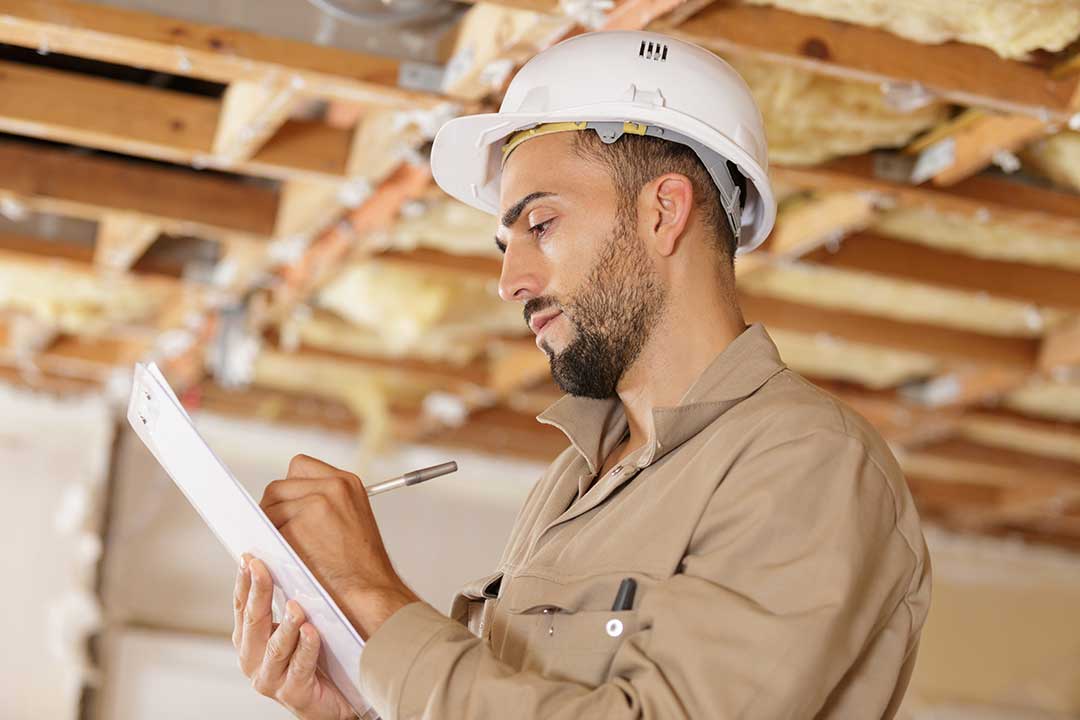
Remodeling rarely runs exactly on schedule. In Grapevine, surprise discoveries behind walls or beneath floors can delay progress, particularly in older homes or neighborhoods where shifting foundations are frequent.
Delays often arise from:
- Unforeseen structural repairs, such as termite damage or rot
- Permit or inspection wait times, especially after major weather events
- Late delivery of specialty materials or backordered fixtures
Residents planning updates should reserve extra time in the construction schedule and avoid booking big events (such as house-heavy holidays) too close to their intended finish date. Allowing for unexpected delays keeps the project less stressful and minimizes disruption to daily routines.
How Do Homeowners Keep Communication Clear?
Home remodeling projects involve various decisions, and miscommunications can lead to frustration, extra costs, and rework. This risk increases with multiple family members or if using outside help.
Helpful approaches for clarity:
- Keep a shared written record of project priorities, choices, and agreed changes
- Document product selections (with model numbers or samples) before orders are placed
- Use photos to clarify ideas or concerns, especially for cosmetic details
If collaborating with designers or other contributors, schedule regular check-ins—even if informal—to confirm the project remains aligned with your goals.
Are There Special Considerations for Historic or Unique Homes?
Remodeling in Grapevine can involve homes with special characteristics, such as historic architecture or unusual layouts. These require extra care:
- Understand whether your home falls within a historic district, which may require approvals for even modest exterior changes
- Be aware that retrofitting modern systems, such as insulation or updated wiring, may need careful routing to preserve original features
- Avoid removing materials that might contain lead or asbestos without following safety guidelines and regulations
Researching local history and regulations early helps prevent costly mistakes and loss of valued details.