

 See My Latest Article on HelloNation
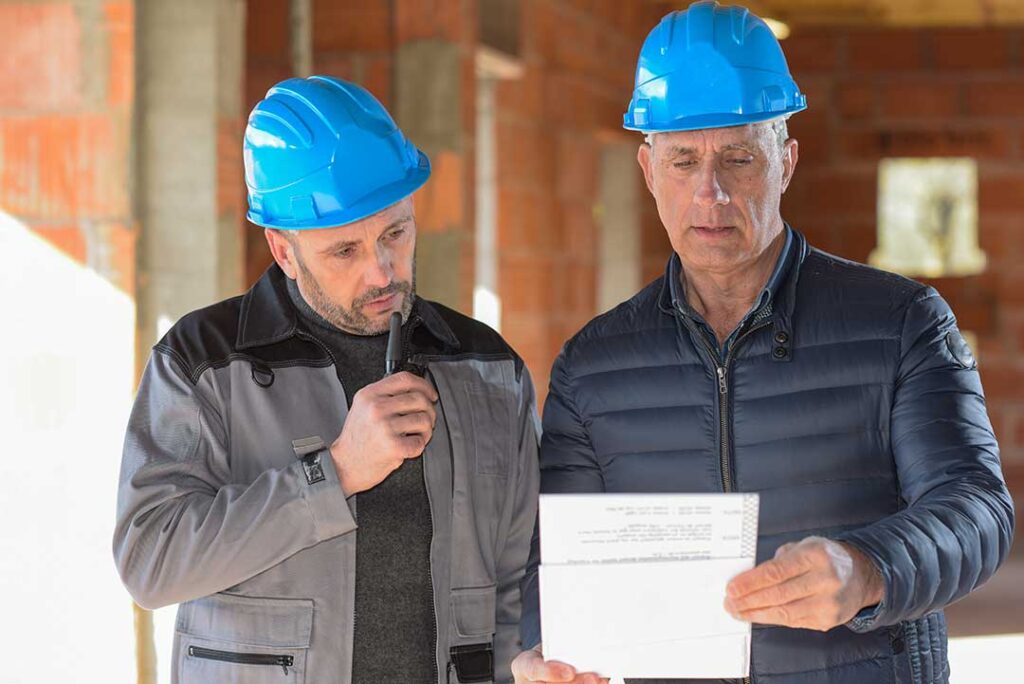
Why Verify Your Contractor’s Credentials?
Homeowners and property managers often ask how to confirm if a general contractor is actually licensed and insured before starting projects. Verifying these credentials protects both your investment and your safety. Accidents, incomplete work, or contractor disputes can often be avoided or resolved more easily when you know the person you’ve hired meets state and local requirements.
In Grapevine, TX, a licensed contractor has demonstrated a certain level of knowledge and professionalism, while valid insurance helps ensure you won't be financially responsible if property damage or injuries occur during construction or remodeling work.
How Can Residents Check a Contractor’s License Status?
The fastest way to check a general contractor's license in the area is by utilizing state and municipal records.
First, Texas regulates certain trades (such as electricians, plumbers, and HVAC), but not all general contractors are required by the state to carry a specific license unless the work falls under specialty categories. However, the city may require contractors to register and maintain records of their credentials for local projects.
For residents in Grapevine:
- Ask the contractor for their license or registration number. This is a routine request for reputable professionals.
- Visit the city’s official website or call the city’s building inspections department. The staff can check whether a contractor is registered for work within the city limits and whether they have ever been cited for violations.
- For state-licensed trades (like plumbing or electrical), use the Texas Department of Licensing and Regulation (TDLR) website to look up licenses by name or number.
Always ensure the name and business information match what the contractor has provided, and check that the license or registration is current (not expired or suspended).
What About Insurance—What Proof Should You See?
Insurance matters just as much as a license. General liability insurance helps cover property damage or injuries, while workers’ compensation protects you if an employee gets hurt on your property. Here’s how you can confidently review this information:
- Ask the contractor for an up-to-date certificate of insurance (COI).
- Check that the COI lists their business name and matches all the information you have on file.
- Confirm that coverage includes both general liability and, if workers will be present, workers’ compensation.
- Look for expiration dates—you don’t want coverage that lapses before your job is finished.
- If you’d like extra reassurance, contact the insurance company named on the certificate to verify that the policy is active.
It’s common and reasonable to request updated documents, especially for larger or longer-term projects.
Are There Local Requirements Residents Should Know About?
Not all cities operate the same way. In Grapevine, general contractors working on residential remodeling or construction often need to register with the local building department. Projects involving electrical, plumbing, or mechanical systems will require licensed tradespeople, and permits may be necessary before work even begins.
Check whether:
- Your project requires permits according to local codes—unpermitted work can create resale complications and code issues down the road.
- The contractor or their subcontractors are responsible for obtaining permits and scheduling inspections. This responsibility should be clear in your written agreement.
- Any complaints or unresolved violations have been recorded against the contractor by contacting the city’s code enforcement or permitting office.
These steps help ensure that your home improvements are both legal and up to local standards.
Can You Trust Online Listings and Reviews for Credential Checks?
Online platforms may list a contractor as “licensed and insured,” but these claims are not always verified by the website operators. Misunderstandings and outdated information are common.
For reliable credential checks:

- Go directly to state or city regulatory websites—never assume web listings provide up-to-date or complete paperwork.
- If a contractor hesitates or refuses to provide documents, that’s usually a red flag.
- Use reviews and ratings mainly to gauge quality of work and customer satisfaction—not for legal or insurance validation.
Verifying credentials is not about mistrust, but about making sure that your interests and property are protected from preventable risks.
What Are Common Misconceptions About Contractor Credentials?
It’s easy for homeowners to miss important distinctions around licensing and insurance. Some typical misconceptions include:
- Assuming every contractor or handyman is required by law to hold a license for any and all work. In reality, licensure depends on the type of job and local ordinances.
- Believing that insurance is a guarantee against all problems—for example, warranty disputes or bad workmanship are not covered by liability insurance.
- Mistaking municipal “registration” for skill-based state licensing—registration ensures compliance with city rules but does not always guarantee a level of technical training.
- Relying solely on word-of-mouth or personal referrals without verifying documentation.
Understanding the real purpose and limits of these credentials reduces the risk of misunderstandings or future disputes.
What Steps Should Residents Take Before Any Project Begins?
A proactive approach helps projects go smoothly from the start. Consider these habits routine for households in the area:
- Always check credentials before signing a contract or allowing work to start.
- Maintain your own folder or digital copies of all licenses, insurance policies, and permit documents for your records.
- Review expiration dates, policy limits, and coverage details. Don’t hesitate to confirm specifics with official agencies or insurance providers.
- Be cautious about making large payments before documentation is verified.
These basic steps help prevent unexpected delays, fines, or liabilities and keep home improvement projects across the city safe and compliant.